


"GLP‑1 medications mimic that exact hormone. Instead of the short burst your body gives you after a meal, these drugs provide a long‑lasting version of the same signal. That’s why people feel full faster, stay full longer, and end up eating less without trying. They’re powerful tools for people with obesity or diabetes who haven’t had success with lifestyle changes alone. But the downsides are real. Because GLP‑1 drugs slow digestion, nausea, vomiting, constipation, and acid reflux are extremely common. Some people develop gallbladder issues or lose lean muscle mass if they’re not careful with protein intake. And long‑term use is still being studied — especially around nutrient absorption, gut motility, and what happens when people stop taking them."

Alright, let’s talk about one of the biggest debates in health right now: glucagon‑like peptide‑1 medications like Ozempic and Wegovy versus ultra‑low‑carb diets like keto and carnivore. Both help people lose weight. Both improve blood sugar. Both have passionate fans. But they work in totally different ways — and the long‑term health impact isn’t the same. To understand the difference, we need to look at what glucagon‑like peptide‑1 actually is. It’s a natural hormone your body releases after you eat. Specialized cells in your small intestine send out this hormone to tell your brain you’re getting full, to slow down how quickly your stomach empties, and to help your pancreas release insulin in a more controlled way. All of that adds up to steadier blood sugar and a natural reduction in hunger.

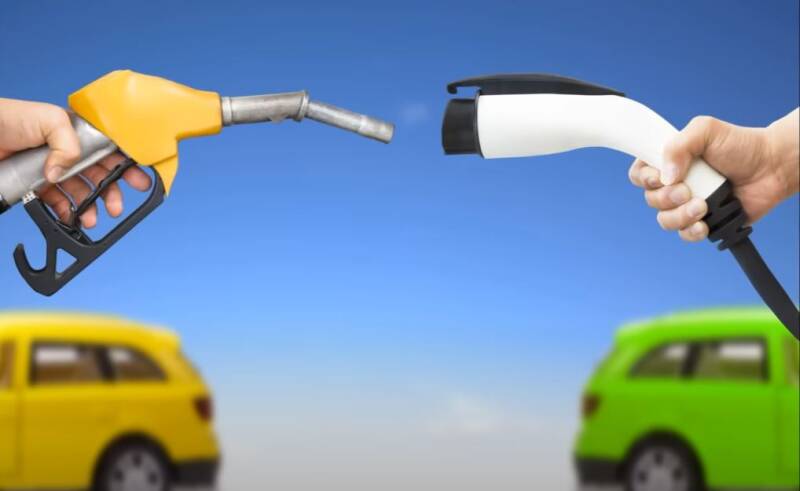
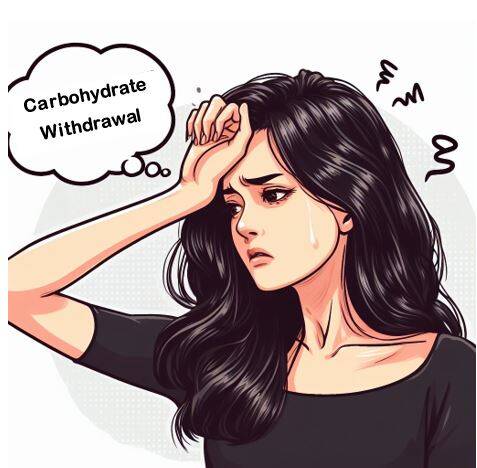
"Now let’s look at how keto and carnivore work. Basically, our bodies are like hybrid cars that can run on different fuels. People, including GLP-1 users, who consume carbohydrate-heavy diets like the standard American diet, are fueled primarily by blood sugar, which is a breakdown product of carbs. Think: cereals, bread, rice, pasta, chips, fries, pastries, sugary beverages, and other processed foods made from refined grains. On the other hand, ultra-low carb diets like keto and carnivore drastically reduce carb intake, thereby flipping the person's metabolism to burn ketones, which are the breakdown products of fats. When blood sugar drops, insulin drops, and when insulin drops, your body starts using stored fat for fuel. This process is called "nutritional ketosis" and it helped our ancient ancestors avoid extinction by surviving unavoidable periods of famine. Nutritional ketosis also occurs naturally in newborns shortly after their umbilical cords are cut. Because of this shift from sugar to fat for fuel, low-carb eaters typically see rapid improvements in weight, energy, appetite, and blood sugar. Keto includes low‑carb, non-starchy plants while carnivore removes plants entirely. Both keto and carnivore focus on foods that are relatively rich in fat and protein which, unlike sugar, are extremely satiating. Both diets stabilize blood sugar, reduce cravings, and naturally lower appetite without medication. The upside is that these diets improve metabolic health without drugs. Low-carb eaters often see better triglycerides, improved levels of HDL or "good" cholesterol, lower inflammation, and more stable energy. And unlike GLP‑1 drugs, they don’t slow digestion — they normalize it for many people. But they’re not perfect either. Carb-withdrawal can be extremely difficult to overcome - because sugar is highly addictive for most people. Another downside is that ultra-low carb diets can be socially awkward because high carb foods dominate most family meals and restaurant menus.
So, when you compare the pros and cons side‑by‑side, the difference becomes clear. GLP‑1 drugs give you appetite control without changing your diet, but they come with digestive side effects and require long‑term use to maintain results. Keto and carnivore give you metabolic control through food, but they require initial discipline and social adjustment. GLP‑1 reduces hunger by slowing digestion. Keto and carnivore reduce hunger by stabilizing your hormones. One is pharmaceutical appetite suppression. The other is metabolic appetite normalization. So which option is actually healthier for most people? Here’s the honest answer: GLP‑1 drugs are incredibly effective for people with severe obesity or uncontrolled diabetes. They save lives. They’re powerful tools. But for the average person who simply wants better metabolic health, fewer cravings, and sustainable weight control, ultra‑low‑carb diets tend to be the safer long‑term option. Keto and carnivore improve insulin sensitivity, reduce inflammation, and stabilize appetite without medication. They don’t carry the same digestive risks, they don’t cause muscle loss when done correctly, and they don’t require lifelong prescriptions. GLP‑1 drugs are a medical intervention. Keto and carnivore are lifestyle interventions. And for most people, lifestyle wins.
So if you’re deciding between GLP‑1 medications and ultra‑low‑carb diets, think about your goals. If you need a medical tool to get started, GLP‑1 can be a game‑changer. But if you want a long‑term metabolic reset that doesn’t rely on medication, keto and carnivore usually come out on top. Your body is the final judge — but understanding the mechanisms helps you make the choice that keeps you healthy for the long run. If you found this breakdown helpful, hit that like button — it genuinely helps the channel grow. And if you want more deep‑dives into keto, carnivore, GLP‑1 medications, or metabolic health in general, make sure you subscribe and turn on notifications so you never miss a new video. Drop a comment below telling me your experience with these approaches — I read every single one, and your stories help shape future content. Thanks for watching, and I’ll see you in the next one."
Add comment
Comments