


Vitamin B12 deficiency is quietly becoming one of the most common nutrient problems in older adults, and most people have no idea it’s happening. If you’re over sixty, or you’re caring for someone who is, this is one of the most important nutrition topics you can understand.
Here’s the core issue: your ability to absorb vitamin B12 doesn’t stay constant throughout life. B12 is tightly bound to protein in food, and your stomach has to release strong gastric acid to free it. Then your stomach has to produce intrinsic factor, the carrier molecule that actually escorts B12 down to the small intestine for absorption.
But as we age, gastric acid production naturally declines. Intrinsic factor often declines right along with it. So even if you’re eating B12, you may not be absorbing it efficiently. That’s why we’re seeing rising rates of deficiency in seniors—fatigue, neuropathy, memory problems, balance issues, even mood changes. It’s not that older adults suddenly stop eating B12. It’s that their digestive machinery isn’t doing the job it used to.
Now here’s where carnivore becomes incredibly relevant.
Animal foods don’t just contain B12—they contain massive amounts of it. Beef, eggs, fish, liver, shellfish… these foods deliver B12 in concentrations that are ten, twenty, even thirty times higher than anything you’ll find in plant‑dominant diets. And because B12 in animal foods is naturally bound and biologically active, your body recognizes it immediately.
So even if your stomach acid isn’t as strong as it used to be, the sheer nutrient density of carnivore foods helps compensate. You’re pouring far more B12 into the funnel, even if the funnel has narrowed with age.
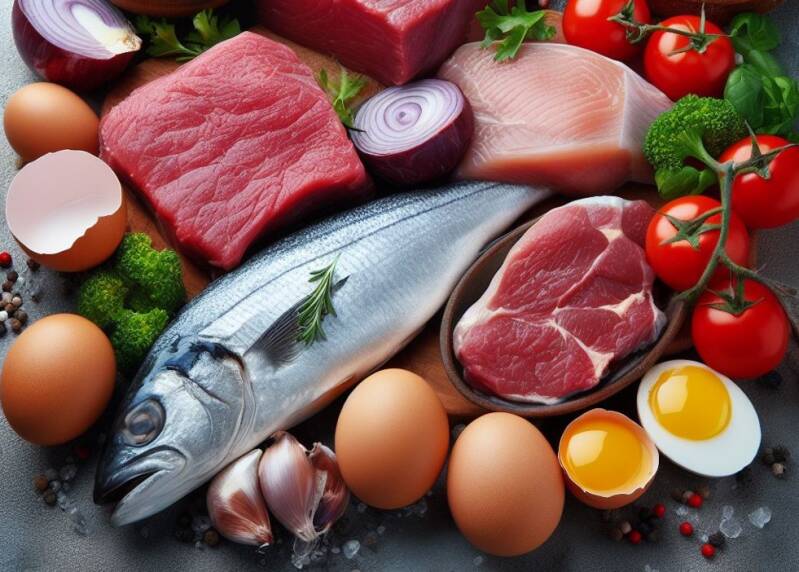
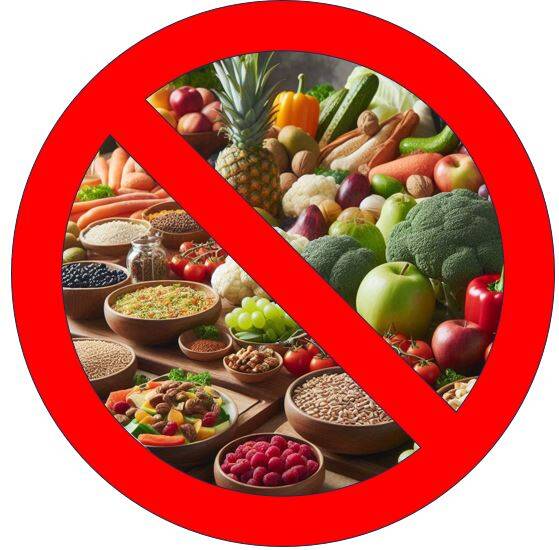
Compare that to a carb‑heavy, plant‑dominant diet. Plants don’t naturally contain B12. You’re relying on fortified cereals, fortified plant milks, or supplements. And if your gastric acid is low, even those fortified forms may not absorb well. So the age‑related decline hits harder, and deficiency becomes more likely.
Carnivore flips that equation. Instead of trying to squeeze tiny amounts of B12 through a compromised absorption system, you’re giving your body a huge supply of highly bioavailable B12 that’s easier to work with. It’s a simple, physiological advantage that becomes more important every year you age.
And this isn’t just about avoiding deficiency. Adequate B12 supports neurological health, energy production, red blood cell formation, muscle function, and cognitive clarity. These are exactly the areas where seniors want to stay strong.
So when you look at the rising prevalence of B12 deficiency in older adults, and you look at how absorption naturally declines with age, the carnivore diet offers something powerful: nutrient density that compensates for physiology. High bioavailability that works with your body instead of against it. And a way to maintain B12 status without relying on fortified foods or supplements that may not absorb well.
If you’re over sixty, or you’re helping someone who is, understanding this one nutrient could make a massive difference in long‑term health.
Add comment
Comments